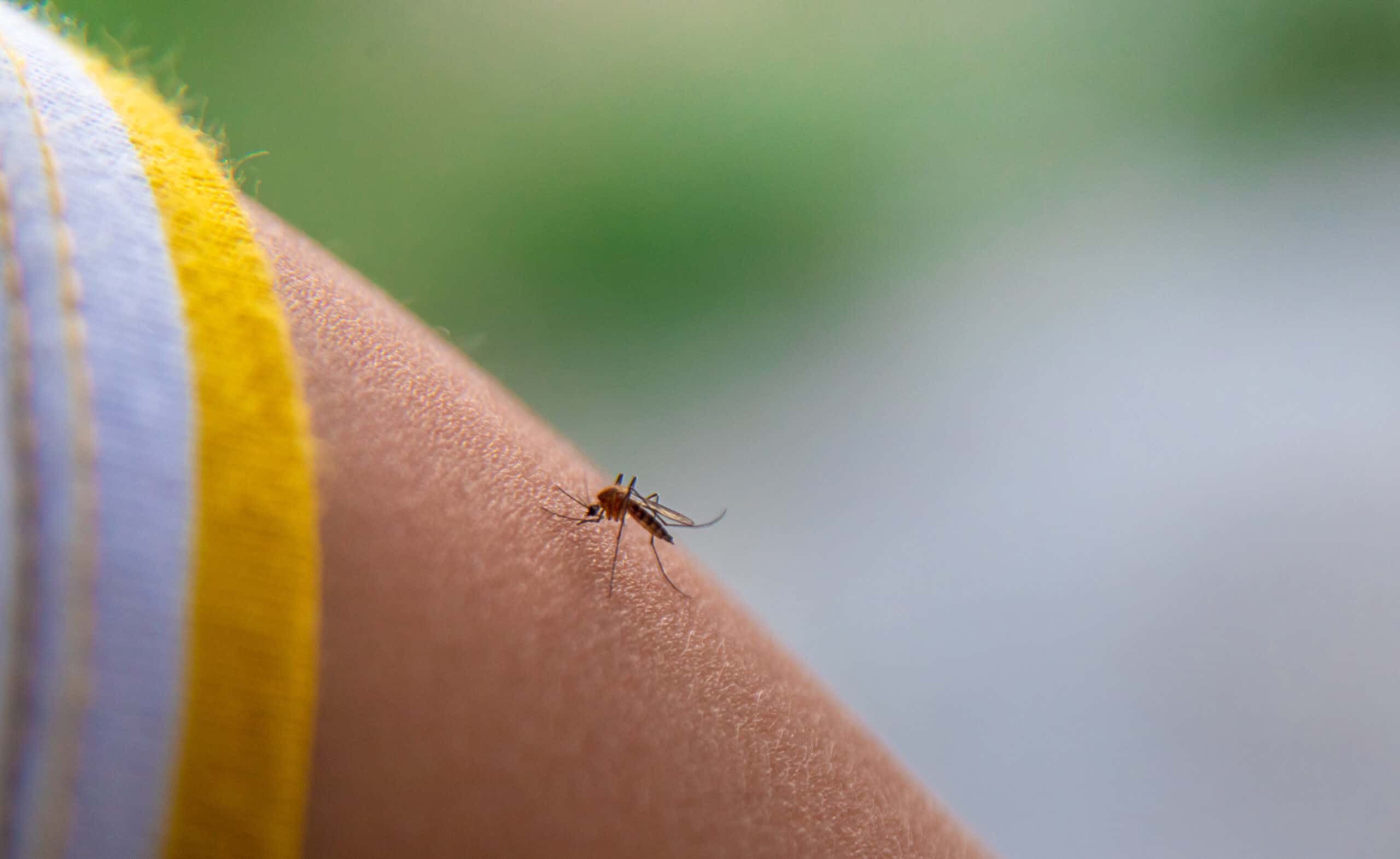
Mosquito bites are part of life in Florida, especially during the hot, rainy months. Most leave behind nothing more than an itchy bump. But with locally acquired dengue fever being reported in the Tampa Bay area, that familiar mosquito bite deserves a little more attention than usual.
Health officials have issued mosquito-borne illness alerts in parts of Tampa Bay, including Hillsborough and Pinellas counties, following confirmed locally acquired dengue cases. For residents, this does not mean every mosquito bite is cause for alarm. It does mean recognizing dengue symptoms, knowing how the illness spreads, and taking practical steps to reduce mosquito exposure are especially relevant right now.
Dengue Fever Starts With an Infected Mosquito Bite
Dengue is a viral illness transmitted primarily by infected Aedes aegypti mosquitoes. Unlike respiratory illnesses that move directly from one person to another through coughing, sneezing, or close contact, dengue follows a different path. The virus is transmitted through infected mosquitoes. A mosquito may become infected after biting a person who has dengue. That infected mosquito may later transmit the virus when it bites someone else. Florida health officials report that symptoms generally appear within about two weeks following the bite of an infected mosquito. This distinction matters in a household. Being near someone with dengue does not spread the illness in the same way as being near someone with a cold or the flu. Preventing additional mosquito bites becomes particularly important when dengue is circulating locally.
Dengue Symptoms May Feel Like a Bad Viral Illness
Not everyone infected with dengue develops noticeable symptoms. When symptoms do appear, the illness may initially feel similar to several other common infections. Fever is often one of the most recognizable symptoms, but it may be accompanied by significant aches and other symptoms that leave someone feeling miserable. Dengue symptoms may include:
- Fever
- Severe muscle, bone, or joint aches
- Headache
- Pain behind the eyes
- Nausea or vomiting
- Skin rash
- Significant tiredness or weakness
Dengue usually does not cause the respiratory symptoms commonly associated with illnesses such as a cold. That absence of coughing and congestion may be one clue, but symptoms alone are not enough to diagnose dengue. Recent mosquito exposure and where you have been spending time also matter. With locally acquired cases being reported, international travel is not the only possible source of exposure.
Most Cases Improve, but Severe Dengue Needs Immediate Attention
Many people who become sick with dengue experience a mild or moderate illness and recover with supportive care. Symptoms still deserve attention, particularly if you have recently had significant mosquito exposure. More serious illness may develop in a smaller portion of people with symptomatic dengue. One important detail is that warning signs of severe dengue may appear as the initial fever begins to go away. Feeling like the fever is breaking does not always mean the illness is finished.
Watch Closely for a Change in Symptoms
Severe abdominal pain, repeated vomiting, bleeding from the nose or gums, blood in vomit or stool, extreme weakness, restlessness, or difficulty breathing are warning signs that require immediate medical attention. Severe dengue may lead to internal bleeding, shock, or organ problems. These symptoms should not be watched at home to see whether they improve. Seek emergency medical care right away when severe symptoms develop.
Tampa Bay’s Mosquitoes Do Not Need Much Water
Florida’s afternoon storms create plenty of obvious standing water, but mosquitoes do not need a large pond or flooded yard to reproduce. Small containers around a home may hold enough rainwater to create a breeding area. That is what makes prevention a regular household job during mosquito season. A quick walk around the yard after rain may reveal water sitting in places that are easy to overlook. Pay particular attention to:
- Buckets and empty planters
- Children’s outdoor toys
- Garbage cans and lids
- Discarded tires
- Coolers
- Pool covers
- Outdoor tools and equipment
- Any container collecting sprinkler or rainwater
The Florida Department of Health specifically recommends draining water from containers around homes and repairing damaged screens on windows, doors, patios, and porches. It is worth checking these areas regularly rather than only after a major storm. Florida’s frequent rain means standing water may return quickly.
Daytime Mosquito Bites Matter Too
People often associate mosquitoes with evenings outside, but the Aedes aegypti mosquito responsible for much dengue transmission is active during the daytime as well. Heading outside for yard work, taking the kids to the park, walking the dog, or spending an afternoon near the water may all involve mosquito exposure. Reducing bites does not require staying indoors all summer. A few habits make outdoor time safer.
Wear loose-fitting long sleeves and pants when practical, particularly in areas with heavy mosquito activity. Use an EPA-registered insect repellent according to its directions. Repellents containing DEET are among the options recommended for protection against mosquito bites. Screens on windows and doors should also be kept in good condition to reduce mosquitoes entering the home.
Florida health officials have emphasized these precautions while local mosquito surveillance and control efforts continue. Hillsborough County has also expanded mosquito-control treatment in affected areas, including aerial treatment in parts of the county. Residents still play an important role by reducing standing water and protecting themselves from bites.
Feeling Sick After Mosquito Exposure Deserves a Closer Look
A fever and body aches have plenty of possible causes, which makes it easy to assume you picked up a routine illness. During periods of local dengue activity, recent mosquito exposure becomes an important piece of information to share with a healthcare provider. If you develop fever, pronounced muscle or joint pain, headache, nausea, rash, or other concerning symptoms after mosquito exposure, seek medical evaluation. Tell your provider about recent travel as well as mosquito exposure around your home, workplace, or other places where you spend time.
There is no specific medication that eliminates the dengue virus. Care generally focuses on managing symptoms, staying hydrated, and monitoring for signs that the illness is becoming more serious. Because some commonly used medications may increase bleeding risk in people with dengue, speak with a healthcare provider about which over-the-counter medicines are appropriate rather than assuming every fever or pain reliever is suitable.
A Little Extra Mosquito Awareness Goes a Long Way
Dengue being present locally does not mean people need to spend the Florida summer worrying about every bite. It does make mosquito prevention more worthwhile, especially when local health officials are actively tracking cases and treating areas with increased mosquito activity. Check your property for standing water, protect exposed skin when spending time outdoors, use appropriate mosquito repellent, and pay attention to unexplained fever or significant body aches after mosquito exposure.
As temperatures cool, mosquito activity generally decreases, which may also reduce the risk of mosquito-borne illnesses such as dengue in the months ahead. Even so, mosquito prevention remains worthwhile whenever mosquitoes are still active.Those small habits are useful throughout Florida’s mosquito season, not only when dengue makes the news.
Get Checked for Possible Dengue Fever Symptoms
If you develop concerning symptoms after mosquito exposure, TGH Urgent Care powered by Fast Track is here to evaluate your symptoms and help determine the appropriate next steps. If you need urgent care help, our many locations across the Tampa Bay area serve patients throughout Hillsborough, Pinellas, Pasco, Lee, and Charlotte counties. TGH Urgent Care powered by Fast Track is open seven days a week from 8 a.m. to 8 p.m., and our Save My Spot e-Check-in allows you to complete forms electronically for an expedited check-in. If symptoms become severe, including difficulty breathing, significant bleeding, or other signs of severe dengue, seek emergency medical care immediately.
Disclaimer
The blogs presented by TGH Urgent care in partnership with Fast Track are not a replacement for medical care and are exclusively intended for educational purposes. The content provided here should not be construed as medical guidance. If you are encountering any symptoms, we strongly recommend that you consult a qualified healthcare provider. If you are experiencing a life-threatening emergency call 911.