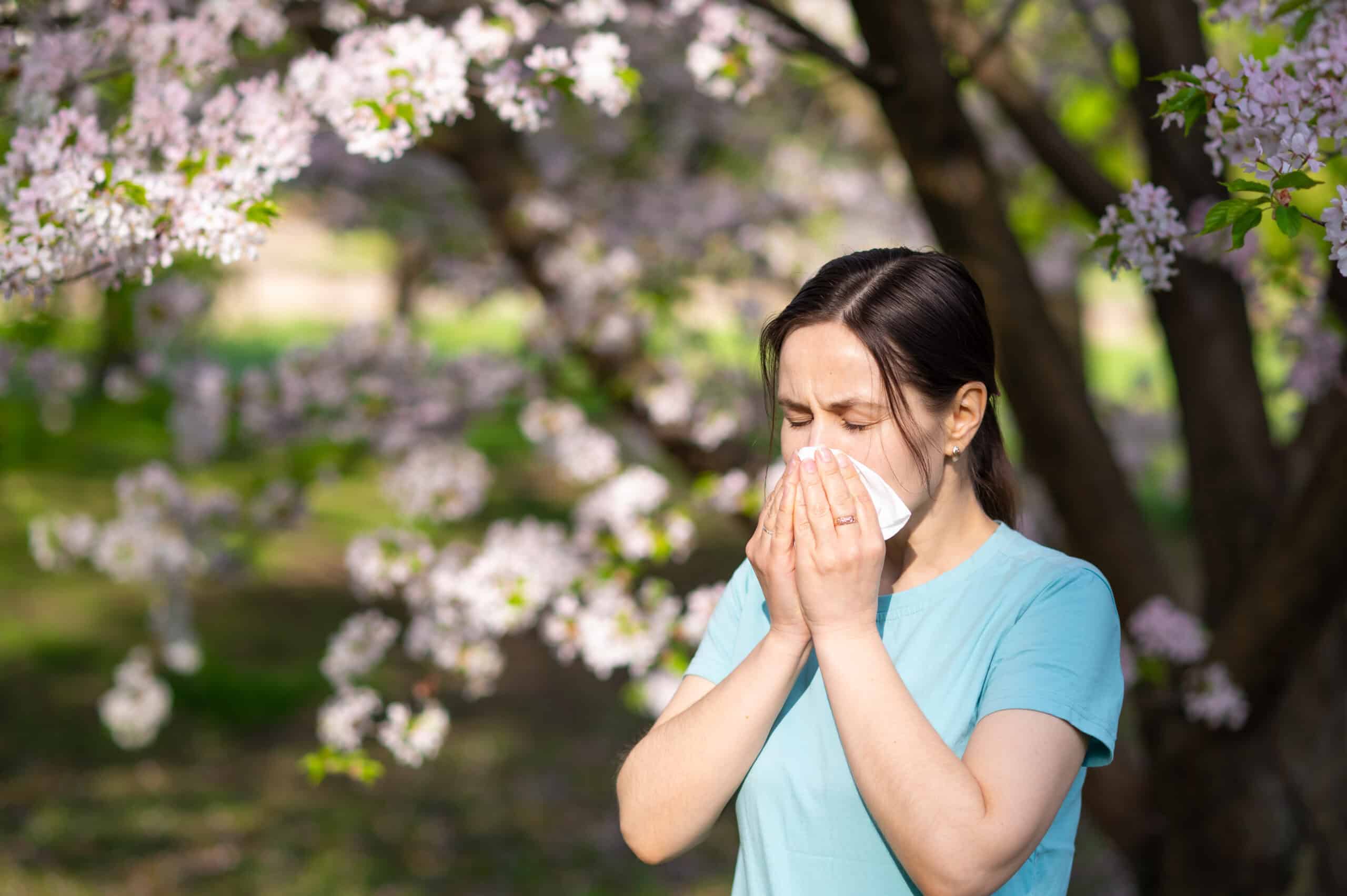
If your car is coated in yellow dust and your eyes start burning the second you step outside, you are not imagining it. Tampa Bay is deep in peak pollen season, and this year feels especially intense. Oak pollen is visible on sidewalks, floating across parking lots, and settling on outdoor furniture almost overnight. Even people who do not usually struggle with allergies are feeling it right now.
Spring in Florida does not arrive gently. Warmer early temperatures and dry, breezy afternoons have pushed tree pollen levels extremely high across the region. For many residents, that means constant sneezing, sinus pressure, watery eyes, and exhaustion that feels hard to shake.
Tree Pollen Levels Are Extremely High Across Tampa Bay
Tree pollen is the main driver right now, especially oak. Reports show counts exceeding 1,500 grains per cubic meter, which falls into the very high range. Oak, pine, and other trees are actively pollinating, while grass remains relatively low at the moment.
You do not need a weather report to see it. Oak pollen forms a fine yellow layer on cars and patios. Tampa’s dense urban tree canopy, one of the most expansive in the country, adds to the volume. When trees release pollen all at once, it fills the air quickly.
Monitor daily pollen levels and check the live local allergy tracker here
Many residents are surprised at how elevated the numbers are. The data reflects what we are hearing across Hillsborough, Pinellas, Pasco, Lee, and Charlotte counties. Symptoms are widespread and persistent.
Florida’s Long Oak Season Makes Spring Feel Relentless
Florida’s mild winters allow trees to begin pollinating as early as December. Oak trees, particularly live oak and laurel oak, release pollen for months. The season typically peaks between March and May. This extended pollination window creates one of the longest tree pollen seasons in the country. Warmer early spring temperatures this year accelerated pollen release. Dry, breezy afternoons spread it efficiently through neighborhoods.
Humidity rising alongside pollen adds another layer of irritation. Mold spores increase in moist conditions, which compounds symptoms for sensitive individuals. The combination of heavy tree pollen and mold leaves many people feeling worse than usual.
The Symptoms People Are Reporting Most
Seasonal allergies look slightly different for everyone, but several patterns stand out this month.
Nasal Congestion and Sneezing
Inflamed nasal passages lead to:
- Frequent sneezing
- Clear, watery drainage
- Stuffy nose that shifts sides
- Postnasal drip
Congestion often worsens in the afternoon when pollen counts peak.
Eye Irritation
Oak pollen commonly triggers eye symptoms such as:
- Redness
- Itching
- Burning sensation
- Excessive tearing
Contact lens wearers tend to feel this even more intensely during heavy pollen days.
Sinus Pressure and Headaches
Inflammation inside the sinuses creates facial pressure and dull headaches. Many people assume they have a sinus infection, but allergy-related inflammation often causes similar discomfort without fever or thick, discolored discharge.
Fatigue and Brain Fog
Allergic inflammation does not stay confined to the nose. Sleep disruption from congestion and constant immune activation contributes to fatigue. Adults report feeling drained at work, while children struggle to concentrate in school.
What Is Making This Stretch Feel Worse Than Other Years
Several factors are overlapping right now. First, tree pollen counts are extremely high. When levels reach this range, symptoms escalate quickly. Second, Tampa’s tree density increases exposure. Beautiful shaded neighborhoods translate into heavier airborne pollen. Third, dry, breezy afternoons spread pollen farther and faster. Spending time outdoors during peak hours increases contact. Finally, rising humidity contributes to mold growth, which adds to the overall allergy burden. When all of these conditions occur together, symptoms intensify across the entire region.
Daily Habits That Help Reduce Exposure
You do not need to stay all season indoors, but small changes make a noticeable difference.
- Keep windows closed during high pollen days
- Use HEPA filters in main living spaces
- Shower and change clothes after an outdoor activity
- Avoid yard work on windy afternoons
- Rinse nasal passages with saline to clear irritants
These steps lower exposure, but during severe weeks, many people still need medical support.
When It Is Time to Seek Medical Care
Seasonal allergies move beyond inconvenience when they interfere with sleep, work, or school. If symptoms persist for weeks, escalate rapidly, or do not respond to basic over-the-counter options, an evaluation helps clarify the cause.
It is important to rule out other issues. Viral infections, sinus infections, and asthma flare-ups can mimic allergy symptoms. Persistent wheezing, shortness of breath, high fever, or severe facial pain require prompt attention. Early treatment often reduces prolonged inflammation and shortens recovery time.
Treatment Options That Provide Stronger Relief
During peak allergy season, prescription-level treatment often provides more effective relief than basic store remedies. We keep medications in stock through ProficientRx, so therapy begins immediately during your visit. Available options include:
- Nasal steroids to calm inflammation
- Nasal antihistamines for rapid symptom control
- Antihistamine eye drops to relieve itching and redness
- Oral antihistamines for full-body symptom relief
Combining therapies under medical guidance frequently produces better results than relying on a single product. Treatment plans are tailored based on symptom severity and any underlying respiratory conditions.
High Pollen Levels Across Multiple Counties
This surge is not isolated to one city. Hillsborough County reports very high tree pollen levels, and similar patterns extend into Pinellas and Pasco counties. Lee and Charlotte counties also experience elevated counts during peak spring. Coastal breezes shift pollen between communities quickly, spreading exposure across neighborhoods. Patients across all five counties describe nearly identical symptoms, confirming this is a regional spike rather than a localized issue.
Relief Is Within Reach
If symptoms feel severe or persistent, TGH Urgent Care powered by Fast Track is ready to help. We serve communities across Hillsborough, Pinellas, Pasco, Lee, and Charlotte counties with convenient locations throughout the Tampa Bay area. Our providers evaluate allergy symptoms, rule out other causes, and offer in-office treatment options, including nasal steroids, nasal antihistamines, antihistamine eye drops, and oral antihistamines through ProficientRx.
We are open 7 days a week from 8 a.m. to 8 p.m. Our Save My Spot e-Check-in system allows you to complete forms electronically for an expedited check-in before arrival. If pollen season is making daily life miserable, visit one of our locations and let us help you breathe easier.
Disclaimer
The blogs presented by TGH Urgent care in partnership with Fast Track are not a replacement for medical care and are exclusively intended for educational purposes. The content provided here should not be construed as medical guidance. If you are encountering any symptoms, we strongly recommend that you consult a qualified healthcare provider. If you are experiencing a life-threatening emergency call 911.