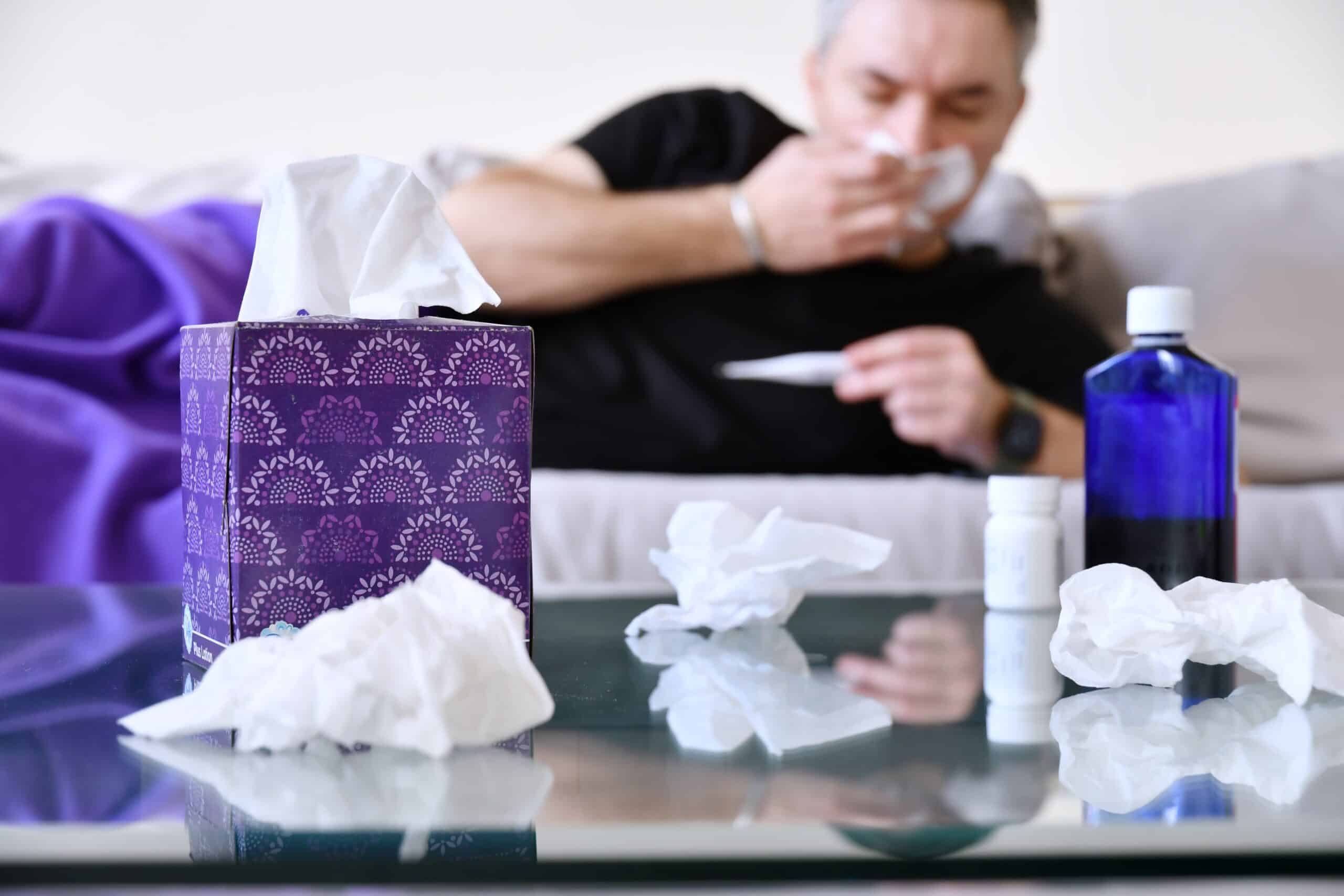
When it comes to influenza, the first 48 hours can make a significant difference in how the illness is treated. Antiviral medications are most effective when started within two days of symptoms appearing, potentially shortening the duration of illness and reducing certain complications. Missing this window doesn’t mean treatment is no longer possible, but early action provides the greatest benefit.
Flu symptoms can develop quickly, often bringing fever, chills, body aches, coughing, and exhaustion. While many people recover with rest and supportive care, others face a higher risk of complications, including pneumonia. Knowing when to seek treatment and when to get your annual flu shot are two important parts of managing influenza during flu season.
Why Are the First 48 Hours of the Flu So Important?
The first 48 hours matter because influenza viruses multiply rapidly after infection, and antiviral medications work best when started early. These prescription medications interfere with the virus’s ability to reproduce, which can limit its spread within the body and reduce the severity of symptoms.
According to the Centers for Disease Control and Prevention (CDC), antiviral treatment started within one to two days of symptom onset can shorten illness by approximately one day. Early treatment may also reduce certain flu-related complications, particularly in people at greater risk of severe illness.
How Do You Know When Your Flu Symptoms Started?
Flu symptoms often begin suddenly, making the onset easier to recognize than with illnesses that develop gradually. The 48-hour treatment window begins when symptoms first appear, not when you receive a positive test result or when your fever reaches its highest point.
Common early flu symptoms include:
- Fever and chills: Often develop quickly, although not everyone with influenza experiences a fever.
- Muscle and body aches: Can be widespread and more intense than those associated with a common cold.
- Fatigue: Sudden weakness or exhaustion that makes everyday activities difficult.
- Headaches: Frequently occur alongside fever and muscle discomfort.
- Cough and sore throat: Respiratory symptoms that may worsen during the first several days.
- Nasal congestion: A runny or stuffy nose can accompany other flu symptoms.
Because COVID-19 and other respiratory viruses can cause similar symptoms, medical evaluation and testing may help identify the infection and guide treatment decisions.
How Can Antiviral Medications Help Treat the Flu?
Antiviral medications target influenza viruses directly, unlike antibiotics, which treat bacterial infections. One commonly prescribed option is oseltamivir, also known by the brand name Tamiflu. Depending on the individual’s age, medical history, and other factors, healthcare providers may consider additional antiviral medications.
These medications aren’t necessary for every person with influenza. Many otherwise healthy individuals recover without prescription treatment. However, antivirals are particularly important for people at higher risk of complications, including:
- Adults aged 65 and older
- Children younger than 5, especially those under 2
- Pregnant individuals
- People with asthma or chronic lung disease
- Individuals with diabetes or heart disease
- People with weakened immune systems
Even after 48 hours, antiviral treatment may still be beneficial for people with severe, worsening, or complicated influenza and those at higher risk of serious complications. These individuals should seek medical advice promptly rather than assuming they’ve missed their opportunity for treatment.
What Should You Do During the First Two Days of the Flu?
Early treatment decisions matter, but managing symptoms and preventing dehydration are also important. Flu-related fever, sweating, and reduced appetite can contribute to fluid loss, while fatigue and muscle aches may make normal activities difficult.
During the first 48 hours:
- Prioritize rest: Allow your body time to recover instead of pushing through normal activities.
- Stay hydrated: Drink water, broth, or electrolyte-containing fluids, especially if you’re experiencing fever or sweating.
- Manage fever and discomfort: Appropriate over-the-counter medications may help relieve fever and body aches when used as directed.
- Avoid unnecessary contact: Stay home to reduce the risk of spreading influenza to others.
- Consider medical evaluation: Seek advice early if symptoms are severe, worsening, or you have risk factors for complications.
The CDC recommends staying home until symptoms have been improving overall for at least 24 hours and you’ve been fever-free without fever-reducing medication during that time. Take additional precautions around others for the following five days.
When Should Flu Symptoms Become a Medical Concern?
Influenza can sometimes progress beyond a routine respiratory infection. Complications may include pneumonia, dehydration, or worsening of existing medical conditions. A fever or cough that initially improves before returning with greater intensity can also be a warning sign.
Seek emergency medical attention for symptoms such as difficulty breathing, persistent chest pain, confusion, seizures, or severe dehydration. Children may also show warning signs such as bluish lips, difficulty staying awake, or signs of dehydration. Individuals at higher risk of complications should seek medical advice early, even if symptoms initially appear manageable.
When Is the Best Time to Get Your Flu Shot?
September and October are generally the recommended months to receive your annual flu shot, allowing time for protection to develop before influenza activity increases. According to the CDC, it takes approximately two weeks after vaccination for the body to build protective antibodies.
Annual vaccination is recommended for most people aged 6 months and older. Although the flu vaccine doesn’t guarantee you won’t become infected, it can reduce the likelihood of illness and lower the risk of serious complications, including hospitalization.
Is It Too Late to Get a Flu Shot After October?
No. Getting vaccinated later in the season can still provide valuable protection while influenza viruses continue circulating. Flu activity can extend well into the winter and spring, so missing the early fall vaccination window doesn’t mean you should skip the vaccine entirely.
Should You Get a Flu Shot If You’ve Already Had the Flu?
Yes, vaccination may still be recommended after you’ve recovered from influenza. Different flu viruses can circulate during the same season, and having one infection doesn’t necessarily protect you against the others.
If you’re currently experiencing moderate or severe illness, vaccination is generally postponed until you’ve recovered. A flu shot won’t treat an existing infection or immediately relieve symptoms, so treatment and prevention should be considered separately.
Get Flu Care at TGH Urgent Care powered by Fast Track
The first two days of influenza are an important opportunity to evaluate symptoms and determine whether antiviral treatment may help. Waiting for a fever, cough, or body aches to become severe can delay treatment that works best when started early.
At TGH Urgent Care powered by Fast Track, our board-certified medical professionals evaluate and treat flu symptoms, helping determine the appropriate course of care based on your condition. Our clinics are open seven days a week from 8:00 a.m. to 8:00 p.m.
If you’re experiencing flu symptoms, especially if you’re at higher risk of complications, find your nearest TGH Urgent Care powered by Fast Track location. Before heading in, you can complete your patient forms online through Save My Spot e-Check-In to help speed up the check-in process when you arrive.
Disclaimer
The blogs presented by TGH Urgent care in partnership with Fast Track are not a replacement for medical care and are exclusively intended for educational purposes. The content provided here should not be construed as medical guidance. If you are encountering any symptoms, we strongly recommend that you consult a qualified healthcare provider. If you are experiencing a life-threatening emergency call 911.