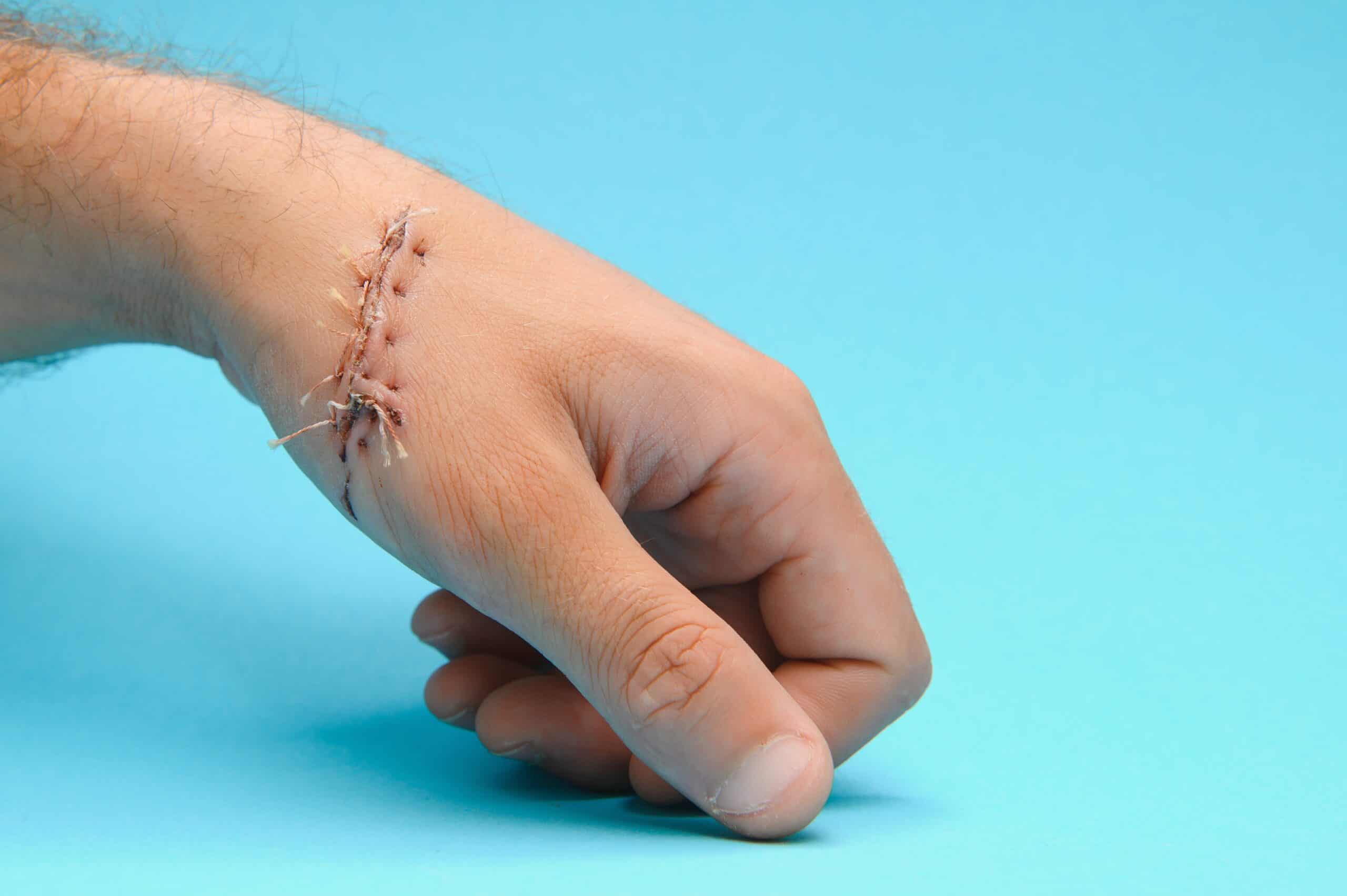
It usually happens in a split second. One wrong move while cooking, a fall on rough pavement, or a sharp edge you did not notice until it was too late. At first glance, it might just look like a cut. Then the bleeding does not stop as quickly as expected, or the skin looks like it has pulled apart more than it should.
That moment of hesitation is common. People often stand there wondering if a bandage will do the job or if it is time to get medical care. Cuts and lacerations fall into a wide range, and the line between minor and more serious is not always obvious. Some heal cleanly at home. Others need stitches to close properly and avoid complications.
Not All Cuts Are Created Equal
Cuts come in different forms, and the way they look tells you a lot about how serious they are. A small kitchen nick and a deep laceration from a fall may both break the skin, but they behave very differently once the injury happens. A minor cut usually stays shallow and clean. The bleeding slows with light pressure, and the edges of the skin sit close together. These tend to heal on their own with basic care. A laceration, on the other hand, often goes deeper and looks more uneven. The edges may appear jagged or pulled apart, and the bleeding may continue longer than expected. These are the wounds that often need medical attention to heal correctly.
Signs a Cut Needs Stitches
There are a few clear signs that point toward stitches or professional repair. These signs are not always dramatic, but they matter when it comes to proper healing. If you notice any of the following, it is time to have the wound looked at:
- The cut is deep enough to see tissue beneath the skin
- The edges of the wound do not close when you gently press them together
- Bleeding continues after 10 minutes of steady pressure
- The cut is longer than about half an inch
- The injury sits on the face, hands, or joints where movement is constant
- Any laceration that occurs on the beach or in water, as they often need prophylactic antibiotics
- There is dirt, debris, or glass inside the wound
- The cut came from something dirty or rusty
- You feel numbness around the area
These situations increase the risk of infection, delayed healing, and visible scarring if left untreated.
What Happens If a Deep Cut Is Left Open
When a deeper wound stays open, the body still tries to heal it, but the process becomes less controlled. Instead of closing neatly, the skin may form a wider scar or take much longer to repair itself. Open wounds also create an easy path for bacteria to enter. Even a clean-looking cut may develop redness, swelling, or drainage over time if it is not properly cleaned and closed. Movement makes things worse. Cuts on knees, fingers, or elbows reopen easily, which slows healing and increases irritation. This is one of the main reasons stitches play such an important role. They hold the skin together so it can heal in a more stable way.
Timing Matters More Than Most People Realize
There is a window where stitches work best. Waiting too long can limit your options and increase the risk of infection. Most wounds should be evaluated within 6 to 8 hours. In some cases, such as facial cuts, that window may extend slightly longer. After that, closing the wound becomes more complicated, and medical providers may need to take a different approach to avoid trapping bacteria inside. Acting quickly helps reduce scarring and gives the skin the best chance to heal cleanly.
What to Expect During Laceration Repair
The idea of stitches can feel intimidating, especially if it is your first time dealing with a deeper cut. The process is straightforward and designed to keep you comfortable. It usually includes:
- Cleaning the wound thoroughly to remove bacteria and debris
- Applying a local anesthetic to numb the area
- Closing the wound with stitches, adhesive strips, or medical glue, depending on the injury
- Covering the area with a sterile dressing
The goal is to close the wound securely while protecting the surrounding skin. In some cases, stitches stay in place for several days before removal, depending on the location and depth of the cut.
Simple First Aid Before You Seek Care
The steps you take immediately after a cut make a difference. Even if you plan to visit urgent care, basic first aid helps protect the wound. Start with steady pressure to stop the bleeding. Use a clean cloth or bandage and hold firm pressure for several minutes without checking constantly. Once the bleeding slows, gently rinse the wound with clean water. Avoid harsh chemicals that irritate the tissue. If possible, cover the cut with a clean dressing and keep it protected on the way to care. Avoid trying to close a deep wound yourself with glue or tape. That often traps bacteria and leads to complications.
Areas of the Body That Need Extra Attention
Some cuts deserve extra caution based on their location. Even a smaller wound in the wrong place can lead to bigger issues if not treated properly.
- Cuts on the Face: Facial injuries heal differently because appearance matters. Proper closure reduces scarring and helps maintain natural contours.
- Injuries Near Joints: Movement makes it difficult for wounds to stay closed. Knees, elbows, and fingers are common problem areas where stitches help stabilize healing.
- Hand and Finger Lacerations: These cuts may involve tendons or nerves. Loss of movement or sensation needs immediate attention.
- Deep Cuts on the Feet: Stepping on something sharp often introduces bacteria deep into the tissue, increasing infection risk.
When It Is Better to Skip Waiting It Out
Some injuries leave little room for guesswork. If the wound looks serious from the start, it is better to have it evaluated right away rather than waiting to see how it develops. Situations that should not be delayed include heavy bleeding that will not slow down, visible bone or tissue, or injuries caused by animal bites. These require prompt care to prevent complications.
Laceration Repair in St. Pete 4th Street
For those in St. Petersburg, quick access to care makes a stressful situation much easier to manage. The St. Petersburg 4th Street Urgent Care location sits in a convenient area that is easy to reach whether you are coming from home, work, or running errands nearby.
You will find the center at 4949 4th Street North, St. Petersburg, FL. It is located near well-known spots like Publix, CVS, and a variety of local shops and restaurants along 4th Street, making it simple to recognize and access when time matters. Get directions here.
Get the Care You Need Without the Wait
When a cut goes beyond what a bandage can handle, professional care helps protect your health and your skin long-term. Laceration repair at TGH Urgent Care powered by Fast Track focuses on closing wounds properly, reducing infection risk, and supporting clean healing.
If you need urgent care help, TGH Urgent Care powered by Fast Track has many locations across the Tampa Bay area, serving Hillsborough, Pinellas, Pasco, Lee, and Charlotte counties. Save time with the Save My Spot e-Check-in system, where forms are completed electronically for faster service. Open 7 days a week from 8 a.m. to 8 p.m., care is available when you need it most.
Disclaimer
The blogs presented by TGH Urgent care in partnership with Fast Track are not a replacement for medical care and are exclusively intended for educational purposes. The content provided here should not be construed as medical guidance. If you are encountering any symptoms, we strongly recommend that you consult a qualified healthcare provider. If you are experiencing a life-threatening emergency call 911.