TL;DR:
The RICE Method for injuries is a simple, effective first step for treating common sports injuries, sprains, and bruises. This blog explains how each step works together to reduce pain, control swelling, and support faster recovery. We’ll also outline when professional care is necessary.
- What the RICE Method for injuries is and why it’s effective for acute injuries
- How rest prevents further damage and supports natural healing
- Why ice helps reduce inflammation and pain in early injury stages
- How compression and elevation control swelling and improve circulation
- When symptoms signal it’s time to visit TGH Urgent Care powered by Fast Track
Sports and physical activities are a fantastic way to stay fit and healthy, but they also come with risks. Whether you’re a weekend warrior, a student athlete, or just enjoy jogging, the potential for injury is constant.
When those injuries happen, knowing what to do next can be challenging. Do you push through the pain? Should you rest and hope it gets better? These questions are common, but one thing is clear: taking immediate and appropriate action is essential.
That’s where the RICE method for injuries comes into play. RICE stands for Rest, Ice, Compression, and Elevation. For years it has been the simple yet effective approach for managing acute sports injuries. From sprained ankles to pulled muscles, the RICE method injury protocol helps reduce pain, swelling, and the risk of further damage.
Rest: The Foundation of Recovery in the RICE Method
When you experience a sports injury, your body’s natural response is to protect the injured area. Rest is the first, and arguably most important, step in the RICE method for injury care. It allows your body to begin the healing process without added strain. Ignoring the need for rest can worsen the injury, leading to longer recovery times or even permanent damage.
Why Rest Is Essential for Sports Injury Healing
Rest isn’t just about doing nothing. Rest is allowing the injured area to heal without the added stress of physical activity. When you rest, you’re giving your body the time it needs to repair tissues, reduce inflammation, and restore function. Continuing to use the injured area can exacerbate the problem, turning a minor injury into something more serious.
How to Implement Rest After an Injury
Depending on the severity of the injury, rest might mean staying off your feet entirely. In other circumstances, it may mean simply avoiding specific movements. Listening to your body and following medical advice is crucial.
Sometimes, rest may involve using crutches, braces, or other supports to avoid putting weight on the injured area. Rest doesn’t mean you’re giving up but that you’re taking the first step toward a full recovery.
Ice: Reducing Pain and Inflammation with the RICE Method
After rest, the next component of the RICE method is ice. Applying ice to the injured area is a proven way to reduce swelling and numb pain. Ice constricts blood vessels, which helps limit the inflammation commonly associated with sports injuries, sprains, and bruises.
The Science Behind Ice for Injuries
Inflammation is a natural response to injury, but excessive inflammation can delay healing. When you apply ice to an injury, the cold temperature causes blood vessels to narrow. This reduces blood flow to the area, limiting swelling. This process makes the RICE method for bruises and sprains especially effective in the early stages of injury.
How to Use Ice Effectively for Injury Care
To get the most benefit from icing, apply an ice pack wrapped in a thin cloth or towel to the injured area. Do this for 15–20 minutes every 1–2 hours during the first 48 hours after the injury. Never apply ice directly to the skin, as this can cause frostbite. Ice helps manage pain and inflammation but you should always pair it with other steps of the RICE method.

Compression: Support and Swelling Control for Injuries
Compression is the third component of the RICE method for injury treatment. It plays a key role in minimizing swelling while providing stability to the injured area. Proper compression can help speed recovery and improve comfort.
The Importance of Compression in the RICE Method
After an injury, blood and fluid naturally rush to the affected area, causing swelling. While some swelling is part of the healing process, excessive swelling can increase pain and slow recovery. Compression helps manage this response by limiting fluid buildup and supporting injured tissues. This is especially helpful when using the RICE method for sprains.
How to Apply Compression Safely
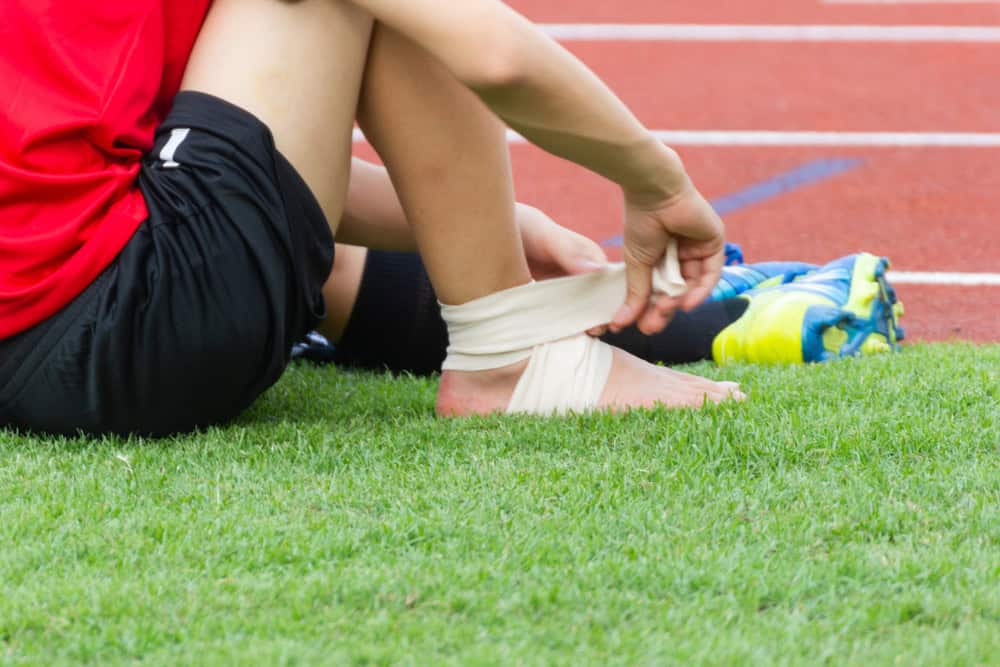
Elastic bandages or compression wraps are common compression tools. Begin wrapping at the point farthest from the heart and work upward toward the injury, ensuring the wrap is snug but not tight. If numbness, tingling, or discoloration occurs, loosen the wrap immediately. Compression works best when combined with rest and ice as part of the complete RICE method injury plan.
Elevation: Reducing Swelling and Improving Circulation
Elevation is the final step of the RICE method. It helps decrease swelling by encouraging fluid to drain away from the injured area. Elevation is particularly effective for lower-body injuries like ankle sprains and knee injuries.
Why Elevation Works for Injury Recovery
By elevating the injured area above heart level, gravity helps move excess fluid away from the injury. This reduces swelling, eases pressure, and can help relieve pain. Elevation is an essential component of the RICE method for injury recovery.
Tips for Effective Elevation
To elevate properly, position the injured limb above heart level using pillows or cushions. For example, prop up your leg when dealing with ankle injuries. You can also recline comfortably if you’ve injured your shoulder. Maintaining elevation as much as possible during the first 48 hours enhances the effectiveness of the RICE method.
Combining RICE with Professional Medical Care
The RICE method for injury treatment is highly effective for managing many acute sports injuries. However, knowing when professional care is necessary is important. Some injuries require more than at-home treatment, especially if symptoms persist or worsen.
When to Seek Medical Attention for Sports Injuries
If you experience severe pain, deformity, inability to move the injured area, or difficulty bearing weight, seek immediate care. Fractures, torn ligaments, and severe sprains often require advanced care beyond the RICE method. If symptoms do not improve after 48 hours, it’s time to see a healthcare provider.
Quick Assessment at TGH Urgent Care powered by Fast Track Near You
If you’ve experienced a sports injury and need prompt medical attention, TGH Urgent Care powered by Fast Track is here to help. With several convenient locations throughout the Tampa Area, Hillsborough, Pinellas, Pasco, Lee, and Charlotte counties, we provide compassionate care when you need immediate attention. Our Save My Spot® system allows you to complete forms online for a faster check-in. Don’t let an injury keep you sidelined; trust TGH Urgent Care powered by Fast Track for efficient, expert care.
Disclaimer
The blogs presented by TGH Urgent Care in partnership with Fast Track are not a replacement for medical care and are exclusively intended for educational purposes. The content provided here should not be construed as medical guidance. If you are encountering any symptoms, we strongly recommend that you consult a qualified healthcare provider.