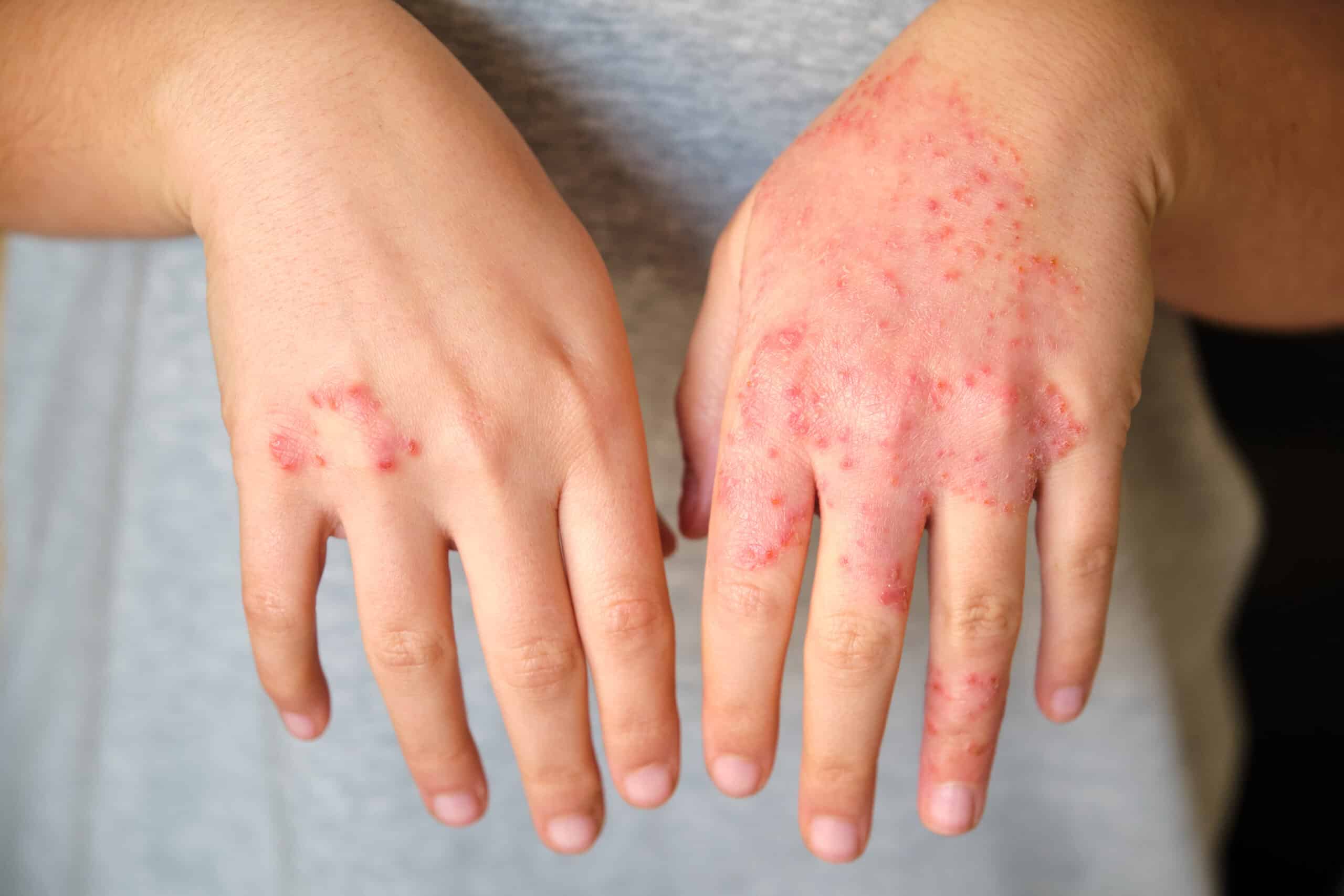
A rash has a way of getting your attention fast. It starts as a patch of redness on your arm, a cluster of bumps on your child’s legs, or an itchy streak across your stomach. At first, it seems minor. Then it spreads, starts to itch more intensely, or begins to look different by the hour. Suddenly, it is all you think about.
Skin reacts to everything. Heat, sweat, new detergents, pollen in the air, bacteria on gym equipment, and even stress. The challenge is figuring out what your rash actually means. Is it an allergic reaction? A contagious infection? A heat rash from Florida humidity? When patients come to us for Rash Treatment in South Tampa, they usually want one thing: clarity.
Allergic Rashes and Irritated Skin
Allergic rashes are incredibly common in Florida. Between year-round pollen, sunscreen, bug spray, new skincare products, and even certain fabrics, your skin faces daily exposure to potential irritants. When your immune system reacts to something it sees as a threat, inflammation follows. That inflammation shows up as redness, itching, swelling, or hives.
Allergic rashes often appear quickly. You might notice symptoms within minutes or hours of exposure. They may look like:
- Raised, red welts that move around the body
- Itchy patches with mild swelling
- Blistering or peeling after contact with plants or chemicals
- A rash limited to one specific area that was touched by an irritant
Contact dermatitis is one of the most frequent allergic skin reactions we see. This happens after skin touches something irritating, such as poison ivy, certain soaps, fragrances, or metals. The rash usually stays confined to the area of contact.
Hives are different. They tend to appear as raised, itchy welts that shift location. Food, medications, insect bites, or environmental triggers may cause them. If hives come with facial swelling or breathing difficulty, that requires immediate medical attention. The key sign of an allergic rash is itching. Itchiness often leads to symptoms. The skin feels irritated before it looks dramatic.
Bacterial Skin Infections
Not every rash stems from an allergy. Bacteria sometimes enter through small cuts, shaving nicks, insect bites, or irritated skin. Once bacteria settle in, infection develops beneath the surface. Bacterial rashes often look and feel different from allergic ones. Instead of just itching, they may cause pain, warmth, and tenderness. You might notice:
- Redness that spreads outward
- Swelling with a firm texture
- Pus or drainage
- Skin that feels hot to the touch
- Fever alongside the rash
Cellulitis is a common bacterial infection that affects deeper layers of skin. It usually begins as a red, swollen area that expands. This condition requires prompt treatment because it does not resolve on its own. Impetigo is another bacterial infection often seen in children. It causes honey-colored crusting, typically around the mouth or nose. It spreads easily through close contact. When a rash becomes painful rather than simply itchy, infection moves higher on the list of possibilities.
Viral Rashes in Children and Adults
Viral illnesses frequently bring rashes along with them. In children, viral rashes are especially common. These rashes often follow a fever or cold-like symptoms. They tend to appear as flat red spots or small bumps across the chest, back, or face. In many cases, they are not severely itchy. Instead, they accompany fatigue, sore throat, or mild fever.
Adults experience viral rashes as well. Shingles is one example. It starts with burning or tingling pain on one side of the body, followed by a blistering rash in a stripe pattern. Unlike most allergic reactions, shingles causes nerve pain before the rash appears. Viral rashes usually run their course, but medical evaluation matters if:
- The rash spreads rapidly
- Blisters form and become painful
- Fever climbs high
- The person feels weak or confused
Skin provides visual clues, but the symptoms surrounding the rash often help determine the cause.
Heat, Sweat, and Florida’s Climate
South Tampa weather creates its own set of skin challenges. Heat rash, also called prickly heat, develops when sweat glands become blocked. Instead of evaporating, sweat gets trapped beneath the skin. Heat rash appears as tiny red or clear bumps. It often shows up on the chest, neck, underarms, or behind the knees. Babies and athletes experience it frequently. Unlike infection, heat rash does not usually cause fever or spreading redness. The skin may feel prickly or mildly itchy, especially in humid conditions. Staying cool, wearing loose clothing, and keeping skin dry typically improve symptoms. However, if bumps become painful or start draining fluid, secondary infection may develop. Florida humidity also increases fungal skin infections. Areas that stay moist, such as between toes or in skin folds, create ideal conditions for fungal overgrowth. These rashes often appear red with defined borders and persistent itching.
Rashes That Raise Concern
Most rashes are minor. Some signal something more serious. Recognizing warning signs helps prevent complications. Seek medical evaluation if a rash includes:
- Rapid swelling of the face or lips
- Purple or dark spots that do not fade when pressed
- Severe pain
- High fever
- Blistering across large areas
- Open sores that worsen
A rash that changes quickly or looks unusual deserves attention. Skin rarely behaves unpredictably without reason.
Common Triggers We See Every Week
Living in Tampa means certain patterns repeat themselves. Through years of caring for families, we see consistent rash triggers:
- Outdoor Exposure: Grass, plants, insect bites, and sunscreen reactions are common during outdoor activities.
- New Products: A new laundry detergent, body wash, or lotion often causes contact dermatitis.
- Close Contact: Gyms, locker rooms, and schools create opportunities for bacterial and fungal spread.
- Stress and Immune Changes: Stress sometimes leads to flare-ups of eczema or psoriasis. These chronic conditions cause recurring rashes that look different from infections.
No two rashes look identical. That is where clinical evaluation matters.
Diagnosing the Cause
Identifying the source of a rash involves more than a quick glance. We ask detailed questions about timing, recent exposures, travel, illness, and medications. We examine the pattern, texture, color, and distribution. Sometimes the diagnosis is obvious. Other times, lab testing or swabs help confirm bacterial or fungal involvement.
Effective Rash Treatment in South Tampa begins with identifying the correct cause. Treating a fungal rash with a steroid cream may worsen it. Using antibiotics on a heat rash provides no benefit. Accuracy matters. Treatment may include:
- Prescription creams
- Oral medications
- Anti-itch treatments
- Wound care instructions
- Guidance on avoiding triggers
Skin heals best when the underlying issue gets addressed directly.
South Tampa Urgent Care Location
When a rash feels concerning, convenient care makes a difference. Our South Tampa Urgent Care location sits at 3301 West Gandy Boulevard, Tampa, FL. We are near popular spots such as Publix Super Market at Gandy Commons and Target, making us easy to find during your daily routine. Whether you are heading home from work or running errands, access matters. If you need help locating us, get directions here.
We evaluate allergic reactions, bacterial infections, viral rashes, fungal concerns, and more at this location. Patients seek Rash Treatment in South Tampa with us because they want answers the same day, not a week later.
Get Relief with Rash Treatment in South Tampa
TGH Urgent Care powered by Fast Track provides urgent care services across the Tampa Bay area, with several locations servicing the Hillsborough, Pinellas, Pasco, Lee, and Charlotte counties. We offer the Save My Spot e-Check-in system so forms are completed electronically before arrival for faster service. Our centers remain open 7 days a week from 8 a.m. to 8 p.m.
If you need prompt, professional Rash Treatment in South Tampa or anywhere across our service areas, visit TGH Urgent Care powered by Fast Track and let us help your skin heal comfortably and confidently.
Disclaimer
The blogs presented by TGH Urgent Care in partnership with Fast Track are not a replacement for medical care and are exclusively intended for educational purposes. The content provided here should not be construed as medical guidance. If you are encountering any symptoms, we strongly recommend that you consult a qualified healthcare provider.