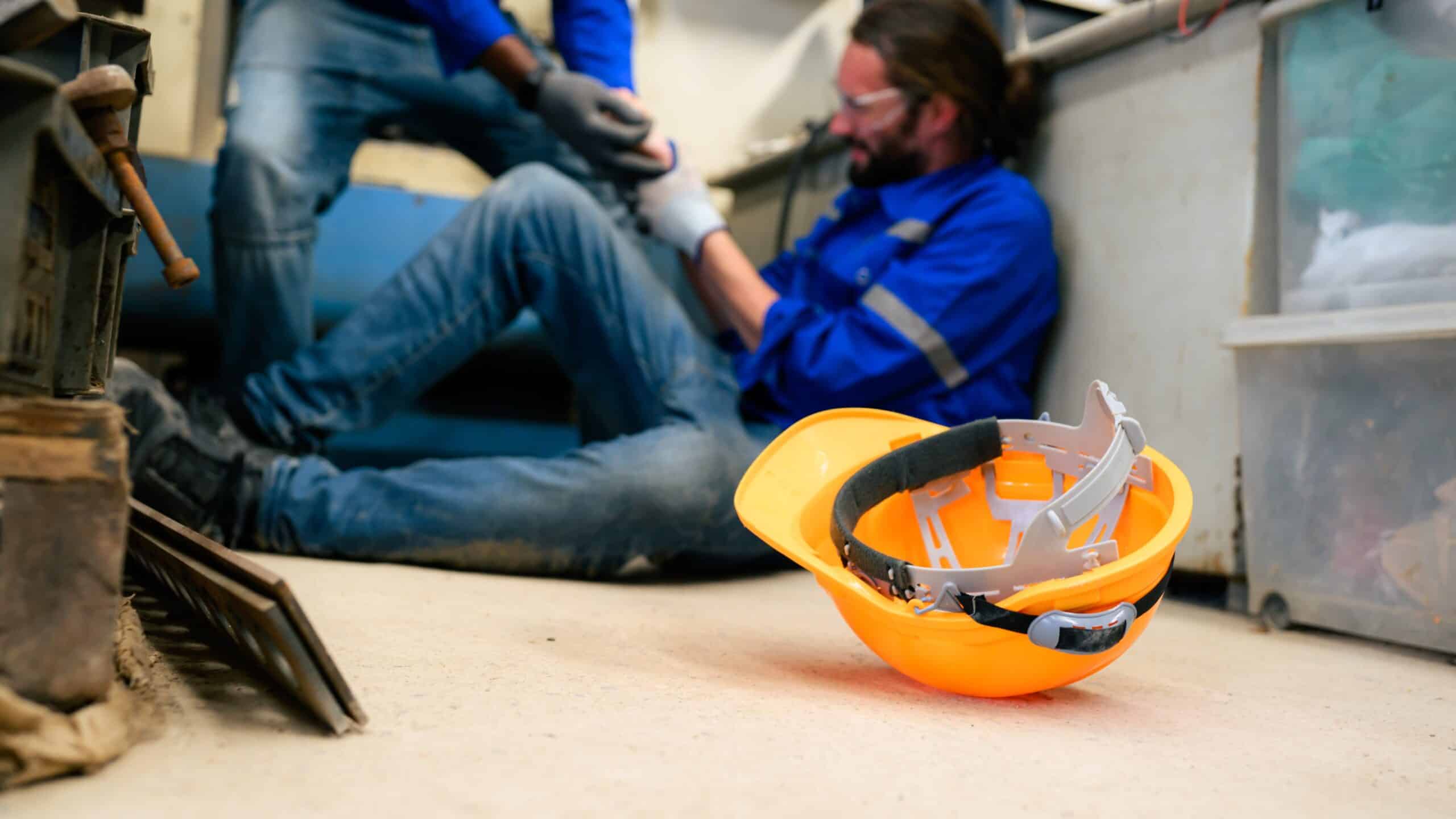
A workplace injury can happen in seconds, but the decisions made immediately afterward can affect your recovery and overall health. Whether it’s a fall, a deep cut, a back injury, or exposure to a hazardous substance, knowing what to do first is important. Your immediate priorities should be getting to safety, assessing the injury, and seeking appropriate medical attention.
Workplace injuries aren’t limited to physically demanding jobs. Office employees, healthcare workers, retail staff, and construction workers all face different injury risks. While some injuries require emergency care, others may initially seem minor before pain, swelling, or other symptoms develop.
Step 1: Stop Working and Assess the Injury
The first thing to do after a workplace injury is stop the activity that caused it and move away from any immediate danger, if you can do so safely. Continuing to work through pain could worsen a muscle strain, fracture, or other injury. If equipment or machinery is involved, make sure it is safely shut down before attempting to assist anyone.
Before deciding what to do next, check for signs of a serious injury. Call 911 for symptoms such as:
- Severe or uncontrollable bleeding
- Difficulty breathing or chest pain
- Loss of consciousness or seizures
- Suspected serious head, neck, or spinal injuries
- Major burns or traumatic amputations
- Severe confusion or sudden weakness
Avoid moving someone with a suspected spinal injury unless remaining in place presents an immediate danger.
Step 2: Provide Basic First Aid When Appropriate
Basic first aid can help limit further damage while you determine whether medical treatment is necessary. However, the appropriate response depends on the type and severity of the injury, and first aid should never delay emergency medical attention.
For common workplace injuries, initial care may include:
- Cuts and minor bleeding: Apply direct pressure with clean gauze or cloth. Minor wounds can be gently cleaned and covered once bleeding stops.
- Sprains and strains: Stop using the injured area, apply a cold pack wrapped in cloth for 15 to 20 minutes, and elevate the affected area when possible.
- Minor thermal burns: Cool the affected skin under cool running water. Avoid applying ice directly to the burn.
- Chemical exposure: Follow the chemical’s safety instructions and emergency procedures. Many exposures require immediate flushing with water and medical evaluation.
- Needlestick injuries: Wash the affected area with soap and water and seek prompt medical evaluation because of potential exposure to bloodborne pathogens.
Even if first aid reduces discomfort, it doesn’t necessarily mean the injury is minor. Persistent pain, swelling, reduced movement, or an open wound may still require professional evaluation.
Step 3: Report the Injury to Your Supervisor
Once immediate safety concerns have been addressed, report the workplace injury to your supervisor or employer as soon as reasonably possible. Explain what happened, where the incident occurred, and which parts of your body were affected. Even if the injury doesn’t initially seem serious, reporting it creates a record in case symptoms develop or worsen.
The Occupational Safety and Health Administration (OSHA) requires employers to establish reasonable procedures for reporting workplace injuries and illnesses. Employees also have the right to report work-related injuries without retaliation. Follow your employer’s reporting process, which may involve completing an incident report or notifying a designated safety representative.
Step 4: Document What Happened
Accurate documentation can be helpful during medical evaluations, workplace investigations, and workers’ compensation claims. Details are often easier to recall immediately after an incident, so record what happened as soon as you are safely able.
Important information to document includes:
- Date and time: When the injury occurred.
- Location: The specific work area or location of the incident.
- Cause: What you were doing and what contributed to the injury.
- Symptoms: Pain, swelling, bleeding, restricted movement, or other changes.
- Witnesses: Names of coworkers or others who saw what happened.
- Photos: Images of visible injuries or relevant conditions, when safe and permitted.
Keep copies of incident reports and any other documentation provided to you.
Step 5: Seek Medical Attention for Your Injury
Not every workplace injury requires an emergency room visit, but injuries involving persistent pain, swelling, cuts, burns, or difficulty moving should be medically evaluated. Some conditions, including certain back injuries and concussions, may not produce their full range of symptoms immediately.
Urgent care may be appropriate for non-life-threatening injuries such as minor lacerations, sprains, strains, and suspected uncomplicated fractures. Serious injuries, including uncontrolled bleeding, severe head trauma, or difficulty breathing, require emergency care. A medical evaluation can help determine the extent of the injury, whether additional testing is necessary, and what treatment or activity restrictions may be appropriate.
Step 6: Follow Your Employer’s Workers’ Compensation Procedures
After reporting the injury, ask your employer about the next steps for workers’ compensation and any required medical authorization. Depending on the employer, insurer, and applicable state requirements, you may need specific paperwork or authorization before receiving nonemergency occupational healthcare.
Workers’ compensation procedures and reporting deadlines vary, so it’s important to follow the applicable requirements and keep records of medical visits, instructions, and related communications. However, never delay emergency medical care while waiting for paperwork or employer authorization.
Step 7: Follow Your Treatment Plan Before Returning to Regular Duties
Returning to work too quickly can aggravate an injury, particularly when your job involves lifting, repetitive movements, prolonged standing, or physical labor. Follow your healthcare provider’s recommendations regarding rest, medication, follow-up appointments, and temporary work restrictions.
If you’re cleared for modified duties, communicate those restrictions to your employer and avoid activities that could interfere with healing. Report any new or worsening symptoms to your healthcare provider, even if you initially felt your recovery was progressing normally.
Get Workplace Injury Care at TGH Urgent Care powered by Fast Track
Getting appropriate medical attention after a workplace injury is an important part of protecting your health and supporting your recovery. From minor cuts and burns to sprains and strains, timely evaluation can help identify the extent of an injury and determine the appropriate next steps. Workplace injury care, provided by board-certified medical professionals, is available at all clinic locations on a walk-in basis from 8:00 AM to 8:00 PM with an employer authorization form.
At TGH Urgent Care powered by Fast Track, we provide occupational health services for employees dealing with non-life-threatening workplace injuries. Our clinics are open seven days a week, helping injured workers access care without waiting for a traditional weekday appointment. If you’ve been injured at work, speak with your employer about the required authorization and find your nearest TGH Urgent Care powered by Fast Track location for a walk-in evaluation.
Disclaimer
The blogs presented by TGH Urgent care in partnership with Fast Track are not a replacement for medical care and are exclusively intended for educational purposes. The content provided here should not be construed as medical guidance. If you are encountering any symptoms, we strongly recommend that you consult a qualified healthcare provider. If you are experiencing a life-threatening emergency call 911.