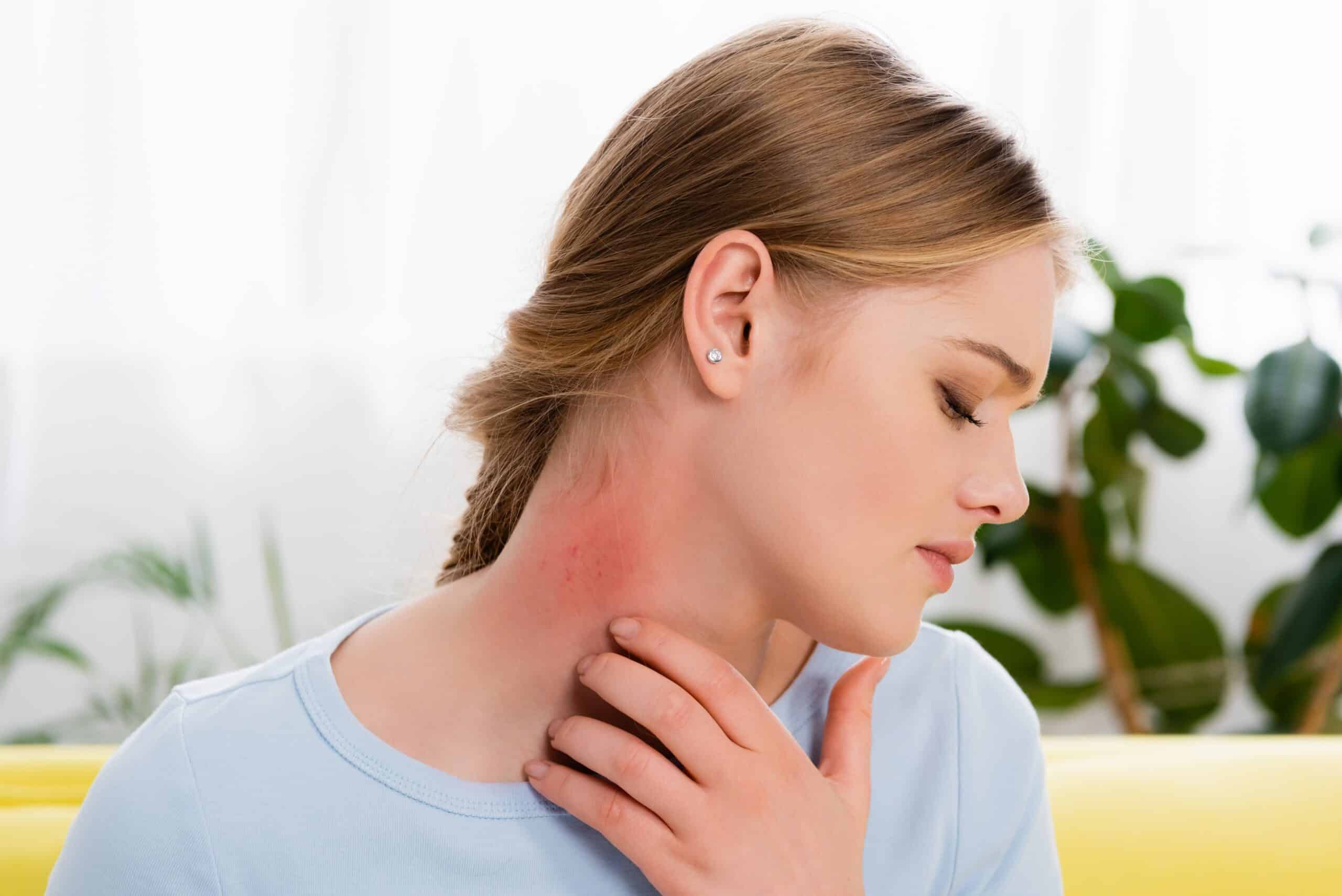
A rash can be caused by something as simple as skin irritation or as serious as an infection or allergic reaction. While many rashes improve with basic care, others require medical attention, particularly when they spread quickly, become painful, or develop alongside symptoms such as fever or swelling. The appearance of a rash alone isn’t always enough to determine what’s causing it.
Knowing when to seek medical care is important because different skin conditions require different treatments. For individuals considering rash treatment in Babcock Ranch, recognizing changes in their skin can help determine whether home care is appropriate or a medical evaluation is necessary.
What Causes a Skin Rash?
A skin rash develops when irritation, inflammation, infection, or another condition affects the skin. Rashes may appear as red patches, raised bumps, blisters, dry areas, or changes in skin color. Their appearance can vary depending on the underlying cause and your natural skin tone.
Some common causes of skin rashes include:
- Contact dermatitis: Irritation or an allergic reaction caused by substances such as soaps, detergents, plants, or skincare products.
- Hives: Raised, itchy welts that may develop after exposure to allergens, medications, infections, or other triggers.
- Eczema: A chronic inflammatory condition that causes dry, itchy, and sometimes cracked skin.
- Fungal infections: Conditions such as ringworm that can produce itchy, scaly patches.
- Bacterial infections: Skin infections that may cause warmth, swelling, tenderness, or pus.
- Insect bites: Localized skin reactions that may involve itching, redness, or swelling.
Some rashes are temporary, while others may require prescription medication or ongoing management. Identifying the cause is an important part of determining the appropriate treatment.
What Are the Signs That a Rash Needs Medical Attention?
A rash should be evaluated by a medical provider if it’s spreading rapidly, becoming increasingly painful, or developing alongside other concerning symptoms. Although itching and mild redness aren’t necessarily signs of a serious condition, changes in how a rash looks or feels can indicate that something more significant is happening.
According to the American Academy of Dermatology, warning signs include:
- A rash that spreads quickly across the skin.
- Blisters, open sores, or areas of raw skin.
- Significant pain or tenderness.
- A rash affecting large portions of the body.
- Fever or other signs of illness.
- A rash involving the eyes, lips, mouth, or genital area.
These symptoms can be associated with infections, inflammatory conditions, or more serious reactions. Prompt evaluation can help determine whether treatment is needed and prevent certain conditions from worsening.
How Can You Tell If a Rash Is Infected?
An infected rash often becomes more painful, swollen, or warm to the touch. Bacteria can enter damaged skin through scratching, open blisters, or small breaks in the skin’s protective barrier. In some cases, the infection may spread into surrounding tissue.
Signs that a rash may be infected include:
- Increasing pain, swelling, or warmth.
- Pus or cloudy drainage.
- Yellow or golden crusting.
- Redness or discoloration spreading beyond the original area.
- An unpleasant odor.
- Fever or swollen lymph nodes.
Conditions such as cellulitis can develop when bacteria infect deeper layers of the skin. Because these infections may spread, worsening symptoms should be assessed promptly rather than treated with over-the-counter creams alone.
When Is an Allergic Rash a Cause for Concern?
Allergic reactions can affect the skin in different ways. Contact dermatitis may develop after exposure to an irritating substance, while hives can appear as raised, itchy welts that change shape or location. Some reactions begin shortly after exposure, while others take hours or days to become noticeable.
A mild, localized reaction may improve once the trigger is removed. However, widespread hives, persistent swelling, or a rash that develops after starting a new medication should be medically evaluated. If a rash occurs with difficulty breathing, throat tightness, or swelling of the tongue, seek emergency care immediately because these may indicate anaphylaxis.
Can a Rash Go Away Without Treatment?
Some mild rashes resolve naturally once the source of irritation is removed. For example, a reaction to a new detergent or skincare product may improve after discontinuing its use. Mild insect bites and certain temporary skin irritations can also settle with basic home care.
For uncomplicated itching or irritation, helpful measures may include:
- Applying a cool, damp compress to the affected area.
- Using a gentle, fragrance-free moisturizer.
- Avoiding hot showers and harsh skincare products.
- Wearing loose, breathable clothing.
- Resisting the urge to scratch, which can damage the skin.
Avoid applying multiple medicated creams without knowing what’s causing the rash. Certain treatments, including topical steroids, may worsen some infections or be inappropriate for particular areas of the body.
What If Your Rash Isn’t Getting Better?
A rash that continues to spread, repeatedly returns, or fails to improve with appropriate home care may need professional evaluation. Persistent symptoms can indicate an ongoing allergen exposure, a chronic inflammatory condition, or an infection that requires specific treatment.
Pay attention to how long the rash has been present, whether its appearance has changed, and any products, medications, or environmental exposures that occurred before it developed. These details can help a healthcare provider narrow down possible causes.
What Happens During a Medical Evaluation for a Rash?
A healthcare provider will typically examine the rash and ask about when it started, how it has changed, and whether you’re experiencing itching, pain, fever, or other symptoms. They’ll also review potential triggers, including medications, recent illnesses, insect bites, and exposure to unfamiliar products.
Treatment depends on the suspected cause. Some conditions respond to topical medications or antihistamines, while bacterial or fungal infections may require targeted prescription treatment. If the rash suggests a complex skin condition or a more serious illness, additional evaluation or a referral may be recommended.
Where Can You Get Rash Treatment in Babcock Ranch?
TGH Urgent Care powered by Fast Track offers rash treatment in Babcock Ranch for non-life-threatening skin concerns at our Babcock Ranch Urgent Care location, 42060 Cypress Parkway, Punta Gorda, FL 33982.
The clinic is located in The Shoppes at Yellow Pine, a shopping plaza along Cypress Parkway. Nearby businesses include Panera Bread, Five Guys, and Oar & Iron Raw Bar & Grill, providing recognizable landmarks for visitors heading to the clinic.
The Babcock Ranch location is open seven days a week from 8:00 a.m. to 8:00 p.m., with walk-in care and Save My Spot e-Check-in available. Get directions here to our Babcock Ranch urgent care clinic.
Get Your Rash Checked at TGH Urgent Care powered by Fast Track
A rash that continues to spread, becomes painful, or shows signs of infection shouldn’t be left untreated. Whether you’re dealing with an allergic reaction, persistent irritation, or a possible skin infection, a medical evaluation can help identify the cause and determine the most appropriate treatment.
At TGH Urgent Care powered by Fast Track, our board-certified medical professionals provide rash evaluations and treatment for non-emergency skin conditions. If your symptoms aren’t improving, visit our Babcock Ranch urgent care clinic for a walk-in evaluation. You can also complete your patient forms electronically through Save My Spot e-Check-In before arriving to help speed up the check-in process.
Disclaimer
The blogs presented by TGH Urgent care in partnership with Fast Track are not a replacement for medical care and are exclusively intended for educational purposes. The content provided here should not be construed as medical guidance. If you are encountering any symptoms, we strongly recommend that you consult a qualified healthcare provider. If you are experiencing a life-threatening emergency call 911.